
Commercial Movers
Commercial Movers
Moving a business is different from moving a home. Every hour of downtime costs money. Every disrupted client or lost workday has a real cost. And in a commercial setting, the relocation has to happen without throwing off ongoing operations, employee schedules, or customer expectations.
Utah’s Premier Moving Company provides commercial moving across the Wasatch Front. We’re based in Utah County, and our crews are background-checked. As a result, we approach commercial moves with the planning and care that business owners need.
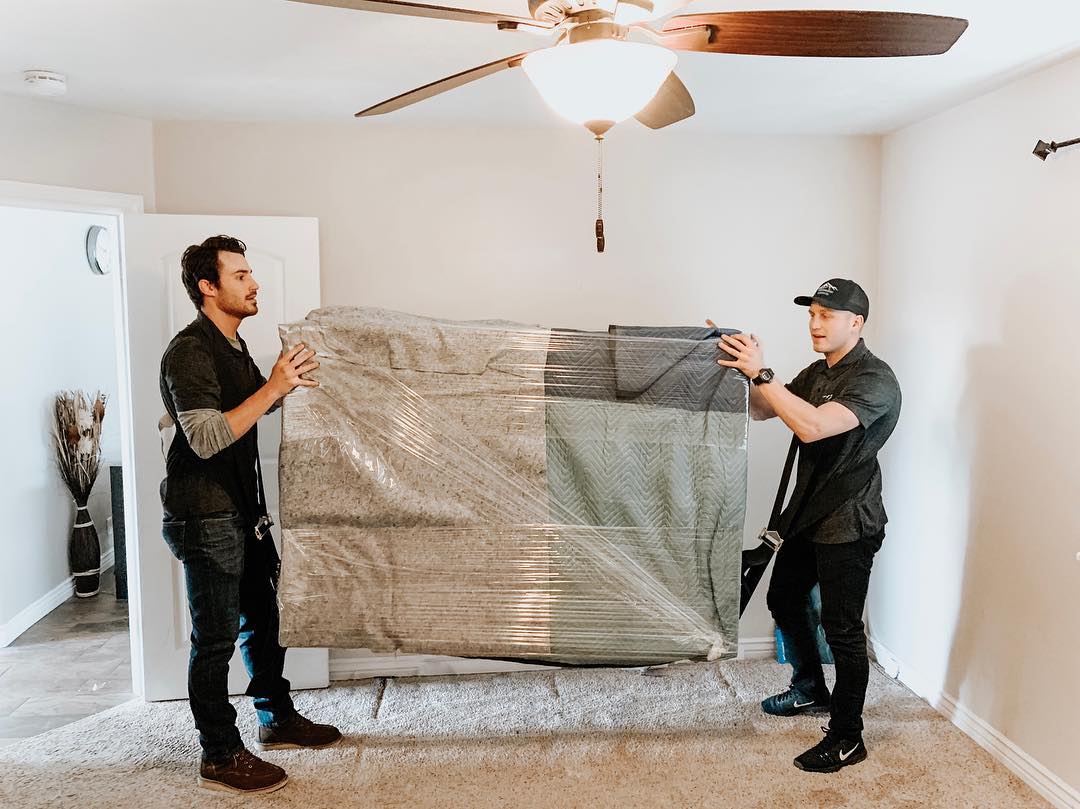

What Commercial Movers Do
Commercial movers handle relocations for businesses and organizations. The scope of a commercial move is broader than a residential move because commercial spaces have different furniture, equipment, and logistical considerations.
A typical commercial move includes:
-
Planning and coordination — mapping the move timeline, scope, and phasing
-
Packing — packing files, supplies, and office materials
-
Furniture moving — desks, chairs, cubicle components, shelving
-
Specialty equipment — computers, monitors, servers, and phone systems
-
Loading and unloading — with strategic placement to speed up setup at the destination
-
Setup — placing furniture and equipment where they’ll be used
In other words, commercial movers handle the physical relocation of your business.
Types of Commercial Properties We Move
Different commercial properties have different needs. Below is an overview of what we handle.
Office Relocations
Office moves involve cubicles, desks, chairs, filing systems, computer equipment, and shared spaces. These are covered in more depth on our office movers page.
Retail Spaces
Retail relocations involve display fixtures, shelving, inventory, and POS systems. Because of that, they need careful handling and often require after-hours scheduling so the store can reopen quickly.
Warehouses
Warehouse moves involve pallets, racking systems, forklifts, and inventory. These require planning around loading dock access and often take multiple days.
Medical and Dental Offices
Medical offices have specialized equipment, patient files, and regulatory requirements. Because of that, they need careful handling and often require after-hours or weekend scheduling.
Restaurants
Restaurant relocations involve kitchen equipment, furniture, inventory, and health department considerations. These are often phased to keep the kitchen running as long as possible.
Multi-Location Businesses
If you’re relocating multiple locations, we can coordinate them under a single plan. That way, scheduling, trucks, and crews are managed centrally.
How Commercial Moves Are Scheduled
Scheduling is the biggest difference between a residential and commercial move. Because of that, we build every commercial plan around your business hours.
After-Hours Moves
Many businesses relocate after hours — evenings, overnight, or weekends. As a result, the physical move doesn’t disrupt customers, clients, or staff.
Phased Moves
For larger offices, we can phase the move across multiple days. For example, one department moves on Friday, another on Saturday. As a result, the business stays open throughout the transition.
Weekend Moves
Weekend moves are ideal for offices and retail spaces that are closed Saturday and Sunday. As a result, staff return Monday to a fully set-up space.
Coordinating With IT and Vendor Timelines
IT equipment, phone systems, and network connections often need coordination with third-party vendors. We plan our schedule to align with theirs so nothing stalls.
What to Expect on Commercial Moving Day
Commercial moves follow a structured flow. Below is how a typical job runs.
Before the Move
-
We confirm the scope, timeline, and phasing plan.
-
We coordinate with your IT and facilities contacts.
-
We label equipment and furniture by department or destination area.
On Moving Day
-
The crew arrives on schedule with the right equipment.
-
Furniture and equipment are wrapped and staged for loading.
-
Loading begins. Items are organized by destination to speed up setup.
-
Transport to the new location.
-
Unloading and placement — desks, chairs, and equipment go where they’re needed.
After the Move
-
IT and vendor teams can begin setup.
-
Empty packing materials are removed if requested.
-
We confirm nothing was missed before wrapping up.
Commercial vs. Residential Moving
Commercial and residential moves differ in several important ways. Below is a quick comparison.
Scale and Complexity
Commercial moves usually involve more items and more specialized equipment. Because of that, planning takes longer.
Scheduling Constraints
Residential moves can be scheduled at the customer’s convenience. Commercial moves have to work around business hours, client needs, and vendor schedules. As a result, scheduling is more complex.
Downtime Considerations
Every hour of downtime has a cost for a business. Therefore, minimizing downtime is the priority in commercial moves.
Documentation
Commercial moves sometimes require additional documentation — insurance certificates, building COIs, and vendor agreements.
What Affects the Cost of Commercial Movers
We don’t publish flat rates because every commercial move is different. However, here’s what drives the cost.
-
Number of employees and workstations — more stations mean more furniture and equipment.
-
Number of rooms and departments — more zones mean more setup time.
-
Specialty equipment — servers, medical equipment, and specialty furniture need extra care.
-
Crew size — more movers means faster work but a higher hourly rate.
-
Access — freight elevators, loading docks, and building rules add complexity.
-
After-hours scheduling — overnight and weekend moves may be priced differently.
-
Distance — local moves are billed hourly, while long-distance moves are priced by weight and distance.
-
Phasing — multi-day phased moves take more planning and scheduling.
The best way to get an accurate number is to request a free estimate. We’ll assess the property and provide a clear estimate before you commit.
How to Prepare for a Commercial Move
Planning ahead keeps a commercial move on schedule. Below is what we recommend.
Before the Move
-
Confirm the new space is ready — power, internet, and access are in place.
-
Schedule IT vendor coordination.
-
Have employees pack personal items before the move day.
-
Label files, furniture, and equipment by department or destination area.
On Moving Day
-
Empty desks and lock personal items away.
-
Clear walkways and elevators so equipment can move freely.
-
Have a point of contact on-site for decisions.
-
Plan for food and water for the crew during long shifts.
After the Move
-
Confirm all items arrived at the destination.
-
Set up IT and phone systems.
-
Remove empty boxes and packing materials.

Why Utah’s Premier Moving Company
We’re not the biggest moving company in Utah, and we’re not trying to be. Instead, we’re a local, owner-operated company based in Utah County. As a result, we take pride in doing quality work for our neighbors.
Here’s what that means for you:
-
Background-checked crews: Every mover passes background checks, drug tests, and screening before being hired. You can read more about our company.
-
Flexible scheduling: We work around your business hours, including evenings and weekends.
-
Related services: Commercial moves pair well with office moving and packing services.

Areas We Serve
Utah’s Premier Moving Company provides commercial moving throughout the Wasatch Front. Below are the communities we serve most often.
Salt Lake County
Utah County
Request a free estimate to confirm service availability in your specific neighborhood.
Other Services We Provide
Along with commercial moving, we offer a full range of services.
Moving Services
-
Local Movers — full-service local moving overview.
-
Residential Movers — household moves.
-
Apartment Movers — stairs, elevators, and tight spaces.
-
Interstate Movers — long-distance moves.
Packing and Specialty
-
Packing and Unpacking Services — full or partial packing.
-
Furniture Movers — specialty care for heavy and delicate pieces.
-
Furniture Delivery Services — single-item delivery.
Labor and Loading
-
Labor Only Movers — trained movers for your own truck.
-
Loading and Unloading Services — help with rental trucks and containers.
Commercial and Business
-
Office Movers — dedicated office relocation services.
Questions About Commercial Movers
What’s the difference between commercial and residential movers?
Commercial movers handle business relocations — offices, retail, warehouses, medical, and other commercial spaces. Residential movers handle household moves. The equipment, scheduling, and planning differ between the two.
Can you move our office on evenings or weekends?
Yes. Because of that, we offer after-hours and weekend scheduling for commercial clients. As a result, business operations aren’t disrupted.
Do you move IT equipment and servers?
We move computers, monitors, and office equipment with care. For servers and complex IT infrastructure, we coordinate with your IT team to ensure proper handling.
Can you help with a multi-location move?
Yes. We can coordinate moves across multiple business locations under one plan.
How far in advance should I schedule a commercial move?
For small offices, 2-4 weeks notice is usually enough. For larger offices, phased moves, or after-hours scheduling, 4-8 weeks is recommended. Request a free estimate to discuss timing.
Do you provide a Certificate of Insurance for our building?
Yes. Many commercial buildings require a COI before allowing movers to use freight elevators or loading docks. Let us know your building’s requirements when you book.
Do you pack files and records?
Yes. Our packing and unpacking services cover files, records, and office materials.
Do you move specialty furniture?
Yes. Desks, cubicle components, conference tables, and heavy equipment are handled through our furniture movers service.
Are your movers background-checked?
Yes. Every mover passes background checks, drug tests, and screening before being hired. You can learn more about our company.
What if we’re moving to another city along the Wasatch Front?
We handle moves between any of the communities we serve, plus long-distance moves. See our interstate movers service for out-of-state relocations.
Call to schedule your moving service and receive a free estimate today!